

The 21.1km Crucible: Why the Half-Marathon is Won in the Dark
The confirmation email hits your inbox. You’ve officially paid the registration fee, circled the date on your calendar, and sent the screenshot to your group chat. The excitement is high. You are officially running a half-marathon this race season.
Signing up is the easy part. The adrenaline of race day will carry you through the final few kilometers. But the actual half-marathon? That isn’t won under the finish line banner.
It is won in the dark, months before the starting gun even fires.
If you are stepping up to the 21.1km distance—especially if you are trying to maintain your strength in the gym while doing it—you are about to step into the crucible. Here is the reality of the physical and mental struggles you are going to face during this prep, and why overcoming them is the exact reason you need to do this.
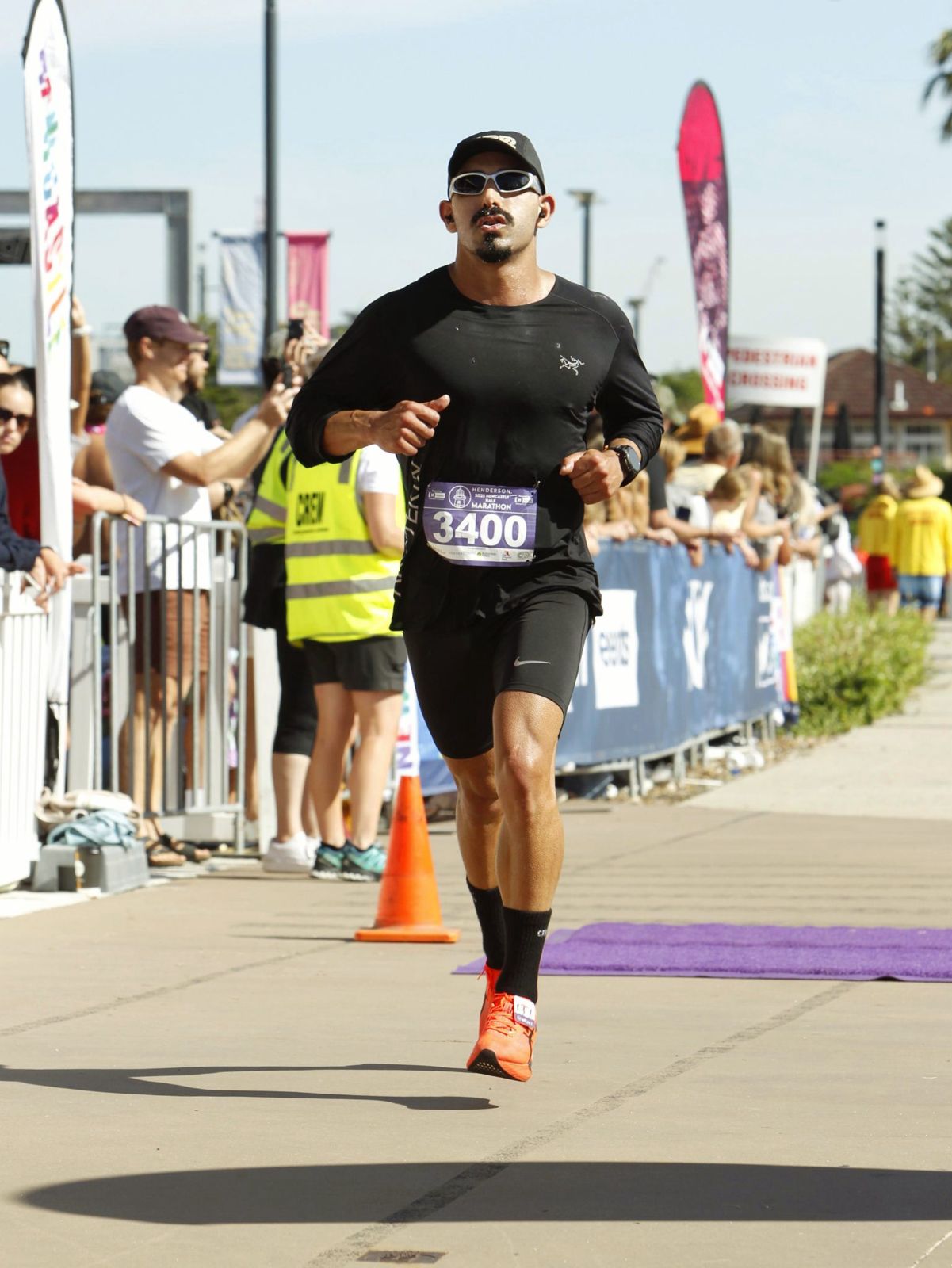
The Physical Struggle: The Weight of the Miles
A half-marathon demands absolute respect. You cannot fake your way through 21.1 kilometers, and your body will quickly let you know if you try.
As your mileage ramps up, the physical struggle shifts from the acute soreness of a single hard workout to a chronic, lingering systemic fatigue. Your legs will constantly feel like they are filled with concrete. The heavy barbell you usually dominate on Tuesday evenings will suddenly feel glued to the floor.
This is the exact moment where most independent runners panic. You might feel a niggle in your knee or a sharp tightness in your Achilles. The instinct is to either shut down completely out of fear or stubbornly push through until a tendon actually tears.
The physical growth of race season isn’t just about building a massive cardiovascular engine. It is about learning the profound difference between productive fatigue and destructive pain. It is about learning how to fuel your body with enough carbohydrates to survive the work, and how to program your strength training so it acts as structural armor for your joints instead of sabotaging your recovery.
The Mental Struggle: Battling “The Negotiator”
The physical fatigue is tough, but the mental friction is what will truly test whether you make it to the starting line.
Somewhere around Week 8 of your prep, the honeymoon phase of training dies. You are going to wake up at 5:00 AM for a 16km long run. It will be dark outside. It might be raining. You will be tired. And the voice in your head—let’s call it “The Negotiator”—will wake up, too.
“You can just do 10k today.” “You pushed hard yesterday, you deserve a day off.” “Let’s just hit snooze and run tomorrow afternoon instead.”
When you are out there alone on the pavement, fighting the urge to stop and walk, you aren’t just training your legs. You are training your mind to tolerate extreme discomfort. The struggle is the ultimate mirror. It shows you exactly who you are and what you do when things get hard and no one is watching.

The Real Growth: The Person at the Finish Line
I want you to understand something crucial about race season: the real reward is not the medal they hand you at the end.
The real reward is the person you have to become to get there.
When you consistently beat The Negotiator, when you manage your physical recovery like a professional, and when you endure those boring, unsexy miles in the dark, you build a profound level of self-trust. You prove to yourself, with undeniable physical evidence, that you are resilient.
That growth bleeds into every other area of your life. The mental callouses you build on the pavement make the stress of a difficult workday or a chaotic personal life feel entirely manageable. You don’t just become a faster runner; you become a far more capable human being.
The Map for the Crucible
The struggle of race prep is guaranteed, but the suffering doesn’t have to be.
The biggest mistake I see athletes make during race season is trying to be their own coach. When you are drowning in the fatigue of hybrid training, you lose your objectivity. You start guessing. You need someone in your corner to tell you when to push the pace, when to pull back, and exactly how to lift so your body survives the mileage.
If you have a half-marathon on the calendar this season, I have spots open on my Online Coaching roster.
Custom Programming: I build a dynamic plan that perfectly balances your running mileage with your heavy lifting.
Fatigue Management: I track your load so you arrive on race day feeling sharp, powerful, and pain-free.
Accountability: When The Negotiator shows up, I am there to keep you moving forward.
You supply the grit. I will supply the map.
Apply for Online Coaching Here and let’s get to work.
– Coach Mike
Lift Heavy. Run Far. Rehab Smart. The LRR Team