

What is functional strength training?
Functional strength training is all about building strength that translates to everyday life and sport. Instead of isolating muscles on machines, it focuses on compound, multi-joint movements that mimic real-world actions like lifting, carrying, pulling, pushing, or twisting. The aim is to improve the way your body moves as a whole system, not just how much weight you can lift in a single plane.
Why is functional strength training important?
Strength in the gym is valuable, but if it doesn’t carry over into how you move outside the gym, it’s limited. Functional strength training develops mobility, coordination, and balance, which are essential for everything from playing sport to carrying groceries. By training movements rather than muscles in isolation, you create a foundation for performance and long-term health.
Key benefits of functional strength training
This style of training enhances movement efficiency, making tasks in daily life feel easier and more natural. It builds a stronger core and better balance, supporting stability in both athletic and everyday settings. Functional training also reduces the likelihood of injuries by preparing your body to move under different loads and directions. On top of that, it’s highly adaptable and engaging, keeping workouts fresh while delivering results.
Examples of functional strength exercises
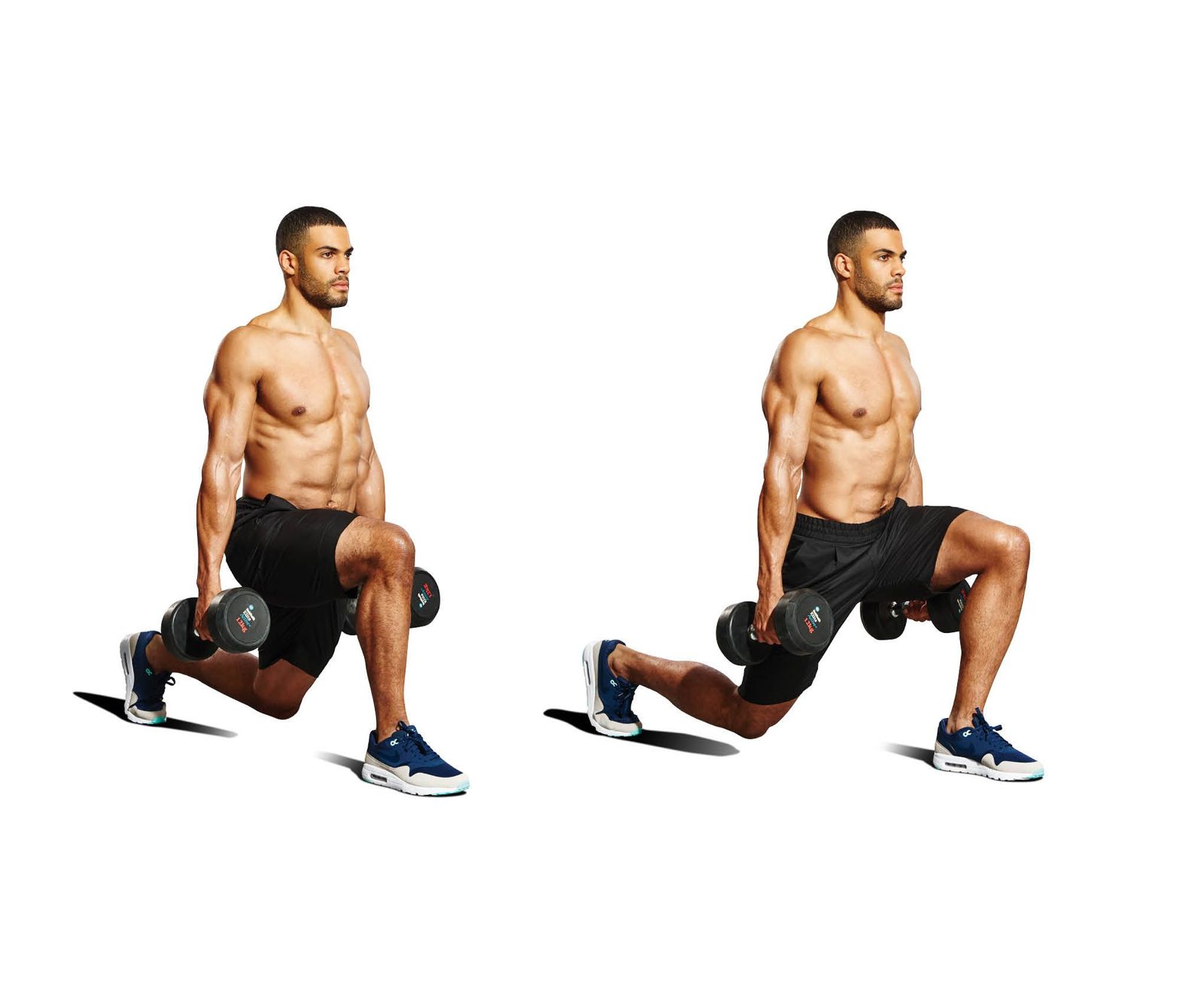
Squats, lunges, and deadlifts are staples because they mimic fundamental movement patterns. Carries like farmer’s walks and suitcase carries train grip, stability, and core control. Push and pull exercises, including push-ups, pull-ups, and rows, strengthen muscles you rely on daily. Rotational exercises such as woodchops or anti-rotation holds challenge the core in ways traditional gym moves often don’t. These exercises can be scaled for beginners or advanced athletes.
Functional strength vs. traditional strength training
Traditional strength training often focuses on single muscle groups and building maximum load capacity. Functional strength training, by contrast, prioritises integrated movement patterns and the ability to apply strength in different directions and contexts. Both methods have value: traditional lifting is excellent for building raw power, while functional training ensures that strength is transferable to real-world performance. The best programs often combine both.
How functional strength training helps prevent injuries
Many injuries stem from poor movement mechanics, weak stabiliser muscles, or imbalances. Functional strength training directly addresses these issues by strengthening the body in ways that mirror real tasks. Exercises like single-leg work and rotational drills improve joint stability and control, lowering the risk of strains or overuse injuries. Over time, this creates a body that not only performs better but also resists injury.
Common mistakes to avoid in functional strength training
A common error is rushing into overly complex movements before mastering the basics. Adding too much weight too soon can compromise form and lead to injury. Another mistake is neglecting progression. Repeating the same exercises without variation won’t keep building results. Skipping mobility or recovery is also a problem, as functional training demands control and range of motion. Focus on quality, progression, and balance to get the most from this approach.
Incorporating functional strength training into your routine
Adding functional movements doesn’t mean abandoning your current program. Start with two or three sessions a week, blending functional exercises into your strength or conditioning days. Progression is key: begin with simpler movements like bodyweight squats and planks before advancing to loaded carries or rotational work. The goal is to create balance between strength, endurance, and mobility. If you want a tailored plan, contact us and we’ll design one around your goals.