
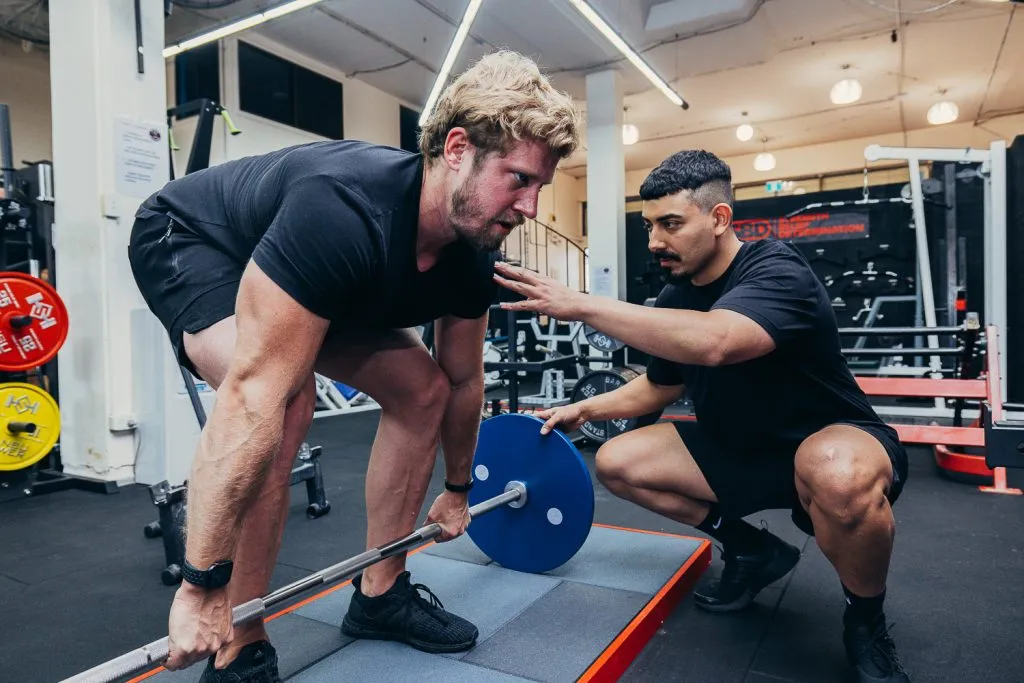
Why Strength Training Alone Won’t Improve Your Cardiovascular Fitness
Lifting weights is a powerful tool for building strength, muscle, and even improving certain aspects of health. But if you think strength training alone is enough to keep your heart and lungs in top shape, you might want to reconsider. While there are some cardiovascular benefits to lifting weights, it simply doesn’t provide the stimulus required for significant cardiovascular adaptations, especially for anyone who’s already somewhat fit.
Let’s break down why this is the case, from a physiological perspective, and why adding cardiovascular training is essential if you want to be truly fit.

How Strength Training Works: The Physiology
When you lift weights, you’re primarily targeting the musculoskeletal system. Strength training works by placing mechanical stress on your muscles, leading to micro-tears in the muscle fibers. Your body responds by repairing these fibers, making them thicker and stronger, which is how you get stronger over time.
But this process is primarily anaerobic, meaning it doesn’t rely heavily on oxygen. Instead, your muscles use energy stored in the form of creatine phosphate and glycogen to fuel short bursts of high-intensity effort. Lifting a heavy set of squats or deadlifts, for example, lasts only a matter of seconds to a couple of minutes, which isn’t long enough to significantly stress your heart or lungs.
Strength training does elevate your heart rate temporarily, but the duration and intensity of that elevation are too short and inconsistent to create lasting cardiovascular improvements. Unless you’re extremely unfit, where even minimal exertion is challenging, the heart and lungs simply aren’t engaged enough for adaptations to occur.
How Cardiovascular Training Works: The Physiology
Cardiovascular training, on the other hand, focuses on improving the efficiency and capacity of your cardiovascular system—your heart, lungs, and blood vessels. This system supplies oxygen to your muscles during sustained activity, allowing you to keep going without fatiguing as quickly.
When you engage in activities like running, cycling, or swimming, you’re working your heart and lungs in a way that forces them to adapt. Over time, cardiovascular training can:
Increase stroke volume: The amount of blood your heart pumps with each beat, allowing more oxygen to be delivered to your muscles.
Lower your resting heart rate: This means your heart becomes more efficient, needing fewer beats per minute to pump blood throughout your body.
Improve capillary density: More capillaries deliver more oxygen to working muscles, which delays fatigue and improves endurance.
Boost mitochondrial function: The “powerhouses” of your cells become more efficient at producing energy, allowing you to sustain longer periods of physical activity.
These adaptations only occur when your heart and lungs are under sustained stress over a longer period of time. This kind of stress simply doesn’t happen in most strength training sessions.

Why Strength Training Alone Doesn’t Cut It for Cardiovascular Health
Strength training can provide some mild cardiovascular benefits if you’re extremely unfit. If you’ve never exercised before, even the basic effort of lifting weights might challenge your heart and lungs enough to improve cardiovascular fitness—temporarily. However, for anyone with a baseline level of fitness, the stimulus from strength training alone is insufficient to drive significant cardiovascular adaptations.
Here’s why:
Volume and Duration Are Too Low: Most weightlifting sets last less than a minute. While your heart rate spikes during that time, it drops quickly once the set is over. The short bursts of effort aren’t enough to challenge your cardiovascular system for the sustained periods necessary to create adaptation. Cardiovascular training, by contrast, keeps your heart rate elevated for 20 minutes or more, which is crucial for building endurance.
Rest Periods Reduce Cardiovascular Load: In strength training, rest periods between sets (typically ranging from 60 seconds to several minutes) allow your heart rate to recover. This recovery time limits the overall cardiovascular stress placed on your body. While shorter rest periods might make your heart work a little harder, it’s still nowhere near the continuous stress of a sustained cardio session like a 30-minute run or bike ride.
Anaerobic vs. Aerobic Energy Systems: Strength training relies mostly on the anaerobic energy system, where your body uses stored energy without needing much oxygen. Cardiovascular training, on the other hand, relies on the aerobic system, which requires your body to continually take in and deliver oxygen to the muscles. For long-term cardiovascular health and endurance, you need to train your aerobic system, which strength training alone cannot do.
The Cardiovascular Benefits of Strength Training Are Limited
While lifting weights is great for overall health, muscle mass, and even improving metabolic rate, the cardiovascular benefits are minimal. Some people mistakenly believe that because their heart rate increases during a heavy set, they’re getting a cardio workout—but this is misleading.
Strength training can help with blood pressure regulation and overall heart health, but those benefits plateau without additional aerobic work. If you want to truly improve your cardiovascular fitness—whether it’s to run faster, be more resilient in your daily activities, or simply improve your heart health—dedicated cardio sessions are necessary.
How to Combine Strength and Cardio for Complete Fitness
If you want to be both strong and cardiovascularly fit, the key is combining the two in your weekly routine. Here’s how you can approach it:
Dedicate specific days to cardio: If you’re lifting 3-4 times a week, add 2-3 days of moderate-intensity cardio. Activities like running, cycling, rowing, or swimming are great options.
Mix in high-intensity intervals (HIIT): If time is tight, you can add high-intensity interval training (HIIT) on some days. This will allow you to get a cardiovascular boost in a shorter amount of time, but make sure to balance it with steady-state cardio for longer endurance benefits.
Active recovery days: You can also use lower-intensity cardio like walking or light cycling on your recovery days. This won’t interfere with your strength gains, but it will keep your heart and lungs engaged.
Final Thoughts
Strength training alone won’t give you the cardiovascular benefits you need for complete fitness. While lifting weights is critical for building muscle, improving strength, and enhancing overall health, it lacks the volume, duration, and aerobic challenge necessary to significantly improve heart and lung function. For well-rounded fitness, strength training should be combined with dedicated cardiovascular exercise. This balance will ensure that you not only look strong but have the heart and endurance to match.