

You probably are not training hard enough.
Most of us like to think we’re training hard, giving it everything we’ve got in every session. But here’s the reality check: chances are, you’re not pushing as hard as you think. It’s easy to fall into the trap of feeling accomplished simply by showing up, moving some weight, or logging a few miles. But are you truly challenging yourself, or are you just coasting through workouts at a comfortable pace?
Training hard means more than just sweating; it means stepping outside your comfort zone, embracing discomfort, and pushing your limits consistently. In this post, we’re going to dive into what “training hard” really means, how to recognize if you’re falling short, and what you can do to level up your game. It’s time to get honest about your effort and find out if you’re really giving it your all.

Defining What “Training Hard” Really Means
There’s a big difference between “training hard” and just going through the motions. Training hard is about showing up with intention and pushing yourself beyond what feels comfortable. It’s not just ticking a box or going through a routine on autopilot. It’s bringing intensity, effort, and a clear purpose to every workout. Whether you’re under the barbell, on the track, or doing a hybrid workout, training hard means you’re genuinely pushing your limits—squeezing out that last rep when your muscles are screaming, hitting that uncomfortable pace on a run, or driving your heart rate up when it feels like you’ve got nothing left. It’s about finding that edge where real progress happens and committing to it, not just when it’s convenient, but every single time you train.
Common Signs You’re Not Training Hard Enough
If you’re consistently finishing workouts feeling like you had more left in the tank, it’s a red flag that you’re not pushing hard enough. Training is supposed to be challenging—if you’re never feeling uncomfortable, chances are you’re just coasting through. Another big sign is a lack of noticeable progress; if you’ve been stuck at the same weights, the same speeds, or the same distances for weeks or months, you’ve likely hit a plateau. That plateau happens when you’re not providing enough stimulus for your body to adapt and grow.
You should also be familiar with a certain level of discomfort—whether that’s the burn in your muscles, your lungs working overtime, or your heart pounding in your chest. If you’re rarely feeling challenged, it’s time to reassess your effort. Similarly, while not every workout should leave you limping around, a lack of muscle soreness or fatigue is a clear indicator that you aren’t pushing hard enough to force adaptation.
I see it with clients at Performance United all the time. They come in thinking they’re already working hard, but once we crank up the intensity, it’s like they’re unlocking a new level of performance they didn’t even know they had. It’s not about punishment; it’s about potential. And you don’t tap into that potential without stepping outside your comfort zone and truly testing your limits.
The Importance of Pushing Your Limits
Progressive overload is the backbone of any effective training program. It’s the simple principle that if you want to see growth—whether it’s getting stronger, faster, or more resilient—you need to keep challenging your body to do more than it did before. When you push yourself beyond your current capacity, your body is forced to adapt, rebuilding itself to handle the increased demands. That’s how real progress happens. But if you’re not pushing those limits, you’re not going anywhere—you’re just spinning your wheels and staying the same.
Training hard isn’t just about physical gains; the benefits go much deeper. When you consistently push yourself, you’re building resilience and mental toughness. You learn to embrace discomfort, overcome doubt, and develop the grit to keep going when things get tough. I’ve seen it time and time again with clients: once they start pushing harder, they not only break through physical plateaus but also transform their mindset. They become more confident, more focused, and more determined—qualities that carry over into every aspect of their lives.
There’s research to back this up, too. Studies show that challenging workouts can improve everything from cardiovascular health to cognitive function, and even emotional resilience. So, if you’re serious about growth—both in and out of the gym—you’ve got to get comfortable with the idea of being uncomfortable. That’s where the magic happens.

How to Know If You’re Truly Training Hard Enough
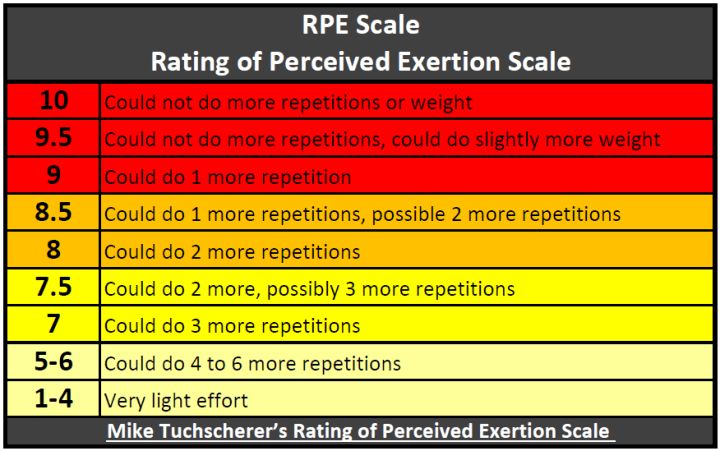
So, how do you know if you’re genuinely training hard enough? It starts with using benchmarks and metrics to assess your training intensity. One of the most effective ways is to track your heart rate zones. For endurance workouts, you should be hitting at least 70-85% of your maximum heart rate for sustained periods to really push your cardiovascular system. In strength training, consider the concept of “reps in reserve” (RIR)—if you finish a set and feel like you could have done 5 more reps, you’re probably not pushing hard enough. Aim for 1-2 reps left in the tank, or even zero on those last sets, to ensure you’re genuinely challenging your muscles.
Perceived exertion is another useful tool. Ask yourself honestly: on a scale of 1 to 10, how hard are you really working? If you’re not hitting at least a 7 or 8 during your most intense sessions, it’s time to step it up. Fitness trackers can be a great way to monitor your heart rate, distance, and pace during runs or conditioning sessions, while training logs can help track progress over time. Keep a record of your weights, reps, sets, and how you felt after each workout. This will give you a clear picture of whether you’re progressing or just going through the motions.
Evaluating your training regimen honestly requires being brutally honest with yourself. Are you consistently challenging yourself, or are you sticking to what’s comfortable and familiar? Are you increasing your weights, pushing your pace, or trying new and harder workouts regularly? Look for the hard truths. If you’re not feeling stretched, if you’re not a little nervous before some workouts, or if you’re not seeing measurable progress, you’re probably not training hard enough. Don’t be afraid to reassess and raise the bar. Your body and mind are capable of far more than you think—but only if you’re willing to push them there.
Strategies to Train Harder and Smarter
If you want to push yourself harder and see real progress, it’s time to up the ante. Start by introducing new training methods that can elevate your intensity and keep your body guessing. High-Intensity Interval Training (HIIT) is a great way to mix things up, combining short bursts of maximum effort with periods of rest or low-intensity work. For runners, adding tempo runs—where you maintain a challenging pace just below your threshold—can push your limits and improve both speed and endurance. In the gym, focus on heavy lifting. Aim for fewer reps with heavier weights to stimulate muscle growth and build strength.
Varying your workouts is another key strategy. Our bodies adapt quickly, so if you’re doing the same routine day in and day out, you’re likely to hit a plateau. Change up your exercises, switch from strength training to conditioning, add new movements, or play with different tempos and rep schemes to keep challenging yourself. And don’t forget about the fundamentals: focusing on form and technique. It’s not just about lifting heavier or running faster; it’s about moving better. Perfecting your form will help you maximize every rep and avoid injuries, ensuring you’re getting the most out of each session.
Finally, never underestimate the power of recovery and rest. Training hard is essential, but so is giving your body the time it needs to repair and rebuild. Make sure you’re getting enough sleep, staying hydrated, and incorporating active recovery days into your routine. Rest isn’t a sign of weakness—it’s where the real growth happens. To train hard over the long haul, you need to be smart about how you recover. Balance intensity with recovery, push your limits regularly, and your body will adapt, grow, and get stronger. It’s about finding that sweet spot where hard work meets smart work.
The Role of Mindset in Training Intensity
When it comes to training hard, mindset is everything. You can have the best program in the world, but if you’re not mentally prepared to push beyond your comfort zone, you’ll never reach your full potential. Mental toughness and motivation are what separate those who merely show up from those who genuinely excel. It’s that inner drive that keeps you going when your body is screaming to stop, and it’s the belief that you have more to give—even when you feel like you’re running on empty.
Developing a stronger mental game is a skill, just like anything else in training. It starts with setting clear, meaningful goals. These aren’t just vague aspirations like “get fitter” or “run faster”; they need to be specific, challenging, and personal. Goals give you something concrete to work toward, something that pulls you through the tough moments when every fiber of your being is telling you to quit. Visualization is another powerful tool—seeing yourself hitting that lift, crossing that finish line, or pushing through that last set. The more vividly you can picture it, the more your mind starts to believe it’s possible, and the more likely you are to make it happen.
Self-talk is a game-changer, too. The way you talk to yourself in the heat of a tough session can make or break your performance. Replace the “I can’t” and “I’m tired” with “I’ve got this” and “one more rep.” It might sound cliché, but the science backs it up: positive self-talk can increase endurance, reduce perceived effort, and improve overall performance. I’ve seen athletes transform by shifting their mindset. Clients who once dreaded their workouts began to embrace them, attacking each session with a new level of intensity and focus. They stopped seeing the discomfort as something to avoid and started recognizing it as the path to growth.
I remember working with a runner who constantly hit a wall at the same point in every race. Physically, they were strong, but mentally, they were tapping out too early. We focused on changing their self-talk and implementing mental cues for when the going got tough. The transformation was incredible. Not only did they break through that wall, but they started hitting times they never thought were possible. Their body didn’t change overnight—their mindset did.
Training hard isn’t just about pushing your body; it’s about pushing your mind. It’s about developing the mental resilience to face down discomfort, doubt, and fatigue, and still choose to keep moving forward. The real gains come when you decide to lean into the challenge, embrace the discomfort, and trust in your ability to do hard things. That’s the mindset shift that turns good athletes into great ones.
Final Thoughts: Time to Reassess and Take Action
So, here’s the challenge: take an honest look at your current training efforts. Are you truly pushing yourself, or have you been going through the motions? If you’re not seeing the progress you want, it’s time to reassess and make the necessary adjustments. Training hard doesn’t mean beating yourself into the ground every session, but it does mean consistently stepping outside your comfort zone, training smarter, and being intentional about your effort.
Don’t settle for mediocrity when you’re capable of so much more. It’s time to level up your game. Push harder, set bigger goals, and train with a purpose. Your body and mind are capable of incredible things if you’re willing to put in the work.
If you’re unsure where to start or feel like you need a fresh approach, we’re here to help. At Performance United, we specialize in creating personalized training plans that challenge you, meet your unique needs, and help you break through those plateaus. Ready to take it to the next level? Connect with us today for a personalized assessment or consultation, and let’s make sure you’re training hard enough to see the results you deserve.
Conclusion
If you’re not training hard enough, you’re holding yourself back from reaching your true potential. It’s as simple as that. Results don’t come from just showing up; they come from consistent, focused, and intense effort. Every time you step into the gym, hit the pavement, or take on a workout, you have a choice: to give it everything you’ve got or to coast. Only one of those choices will push you closer to your goals.
Remember, growth happens outside your comfort zone. If you’re not feeling challenged, if you’re not feeling the burn, then you’re not doing yourself justice. You owe it to yourself to push harder, dig deeper, and demand more from your body and mind.
So, commit to stepping up your training. Embrace the discomfort, trust the process, and keep pushing your limits. It won’t be easy, but nothing worth achieving ever is. The rewards? A stronger, fitter, more resilient you who knows they’ve truly earned every bit of progress.